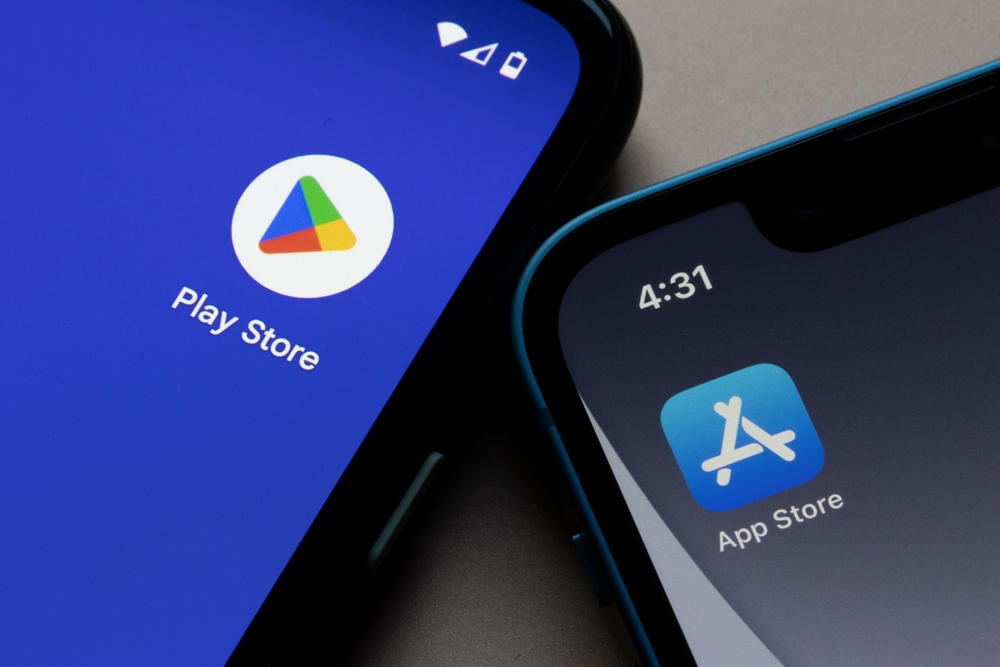
In today's digitally driven world, mobile apps have become an integral part of our lives. From fitness trackers to food delivery services, there seems to be an app for everything. However, with millions of apps competing for attention in the App Store and Google Play, how can developers ensure their mobile app stands out from the crowd? The answer lies in masterful mobile app marketing. In this article, we will delve into insider tips and strategies to help you effectively promote your mobile app .
1. Define Your Target Audience and App PositioningBefore embarking on any marketing efforts, it is crucial to understand who your target audience is and how your mobile Google Play or App Store app can fulfill their needs. Conduct thorough research to identify your ideal users' demographics, interests, and pain points. This knowledge will be the foundation of your marketing strategy.
Additionally, an effective app positioning statement can make a world of difference in attracting users. Clearly communicate the unique selling points of your mobile Android or iOS app —what problems does it solve and how does it stand out from competitors? Craft a compelling positioning statement that resonates with your target audience and showcases your app's value.
2. Optimize Your App Store ListingYour app store listing is like a virtual storefront—the first thing potential users see. Optimizing it is crucial for visibility and organic downloads. Start with an attention-grabbing app icon and a catchy, concise title that reflects your app's purpose.
Next, focus on crafting a compelling description that highlights the app's features, benefits, and what makes it unique. Use relevant keywords to improve visibility in search results. Including screenshots, videos, and reviews will also enhance your app store listing, providing visual evidence of your app's value.
3. Leverage ASO (App Store Optimization)App Store Optimization (ASO) is the process of optimizing your mobile iOS or Android app to rank higher in app store search results. Similar to Search Engine Optimization (SEO), ASO involves strategic keyword research and placement, along with other optimization techniques.
Identify relevant keywords that users are likely to search for and incorporate them into your app's title, description, and metadata. Regularly update your app's content to keep up with changing trends and user preferences. Encourage positive user reviews and ratings, as they play a significant role in influencing the app store algorithms.
4. Utilize Influencer MarketingInfluence marketing has emerged as a powerful tool for promoting mobile App Store or Google Play app s. Identify influencers in your app's niche who have a sizeable and engaged following. Collaborate with them to create compelling content that showcases your app's features and benefits.
Influencers can provide genuine recommendations, reviews, or tutorials, which can generate buzz and attract potential users. Be sure to choose influencers whose values align with your brand and audience. Building meaningful relationships with influencers can lead to long-term partnerships, further expanding your app's reach.
5. Leverage Social MediaSocial media platforms offer an excellent opportunity to reach a wide audience and build a community around your mobile app. Create engaging, shareable content that highlights key app features, updates, and user experiences.
Utilize vibrant visuals, compelling videos, and interactive elements to capture users' attention. Experiment with different social media channels to identify which platforms resonate best with your target audience. Consistently engage with your followers by responding to comments, addressing concerns, and offering support.
FAQs: Frequently Asked Questions
Q1. How long should my app store description be?
A1. It is best to keep your app store description concise and to the point. Ideally, aim for around 300-500 words to effectively communicate your app's key features and benefits.
Q2. Can I change my app's keywords after launch?
A2. Yes, you can update your app's keywords post-launch. Regularly assess search trends and user behavior to identify new keywords or optimize existing ones for better app store visibility.
Q3. Are paid app installs worth it?
A3. Paid app installs can provide an initial boost in visibility and user downloads. However, it is essential to evaluate cost-effectiveness and ensure that acquiring users through paid methods aligns with your app's monetization strategy.
Q4. How can I measure the success of my app marketing efforts?
A4. Track key performance indicators (KPIs) such as downloads, active users, retention rate, revenue, and user feedback to measure the success of your app marketing efforts. Utilize analytics tools and gather user data to make data-driven decisions.
Q5. Is it necessary to have a social media presence for my mobile app?
A5. While having a social media presence is not mandatory, it can significantly benefit your app's growth and engagement. It allows you to connect directly with your audience, showcase your app's value, and generate buzz around updates and new features.
In conclusion, mastering mobile app marketing requires a combination of strategic planning, optimization, and leveraging various channels. By understanding your target audience, optimizing your app store listing, utilizing ASO, leveraging influencer marketing, and leveraging social media, you can effectively promote your mobile app and stand out from the competition. Start implementing these strategies today to drive awareness, increase downloads, and propel your app's success.
Other useful resources
- https://www.appguru24.com/apps-directory/android/
- https://www.appguru24.com/apps/
- https://www.appguru24.com/promote-android-app/